Safety and first contact
We assess urgency, agree on a safe way to communicate, help plan next steps and, where needed, connect you with the relevant emergency services.
Areas of support
Every request begins with considering your safety and a calm conversation. Together, we work out what help you need now and what could be your next step towards stability.
Core programmes
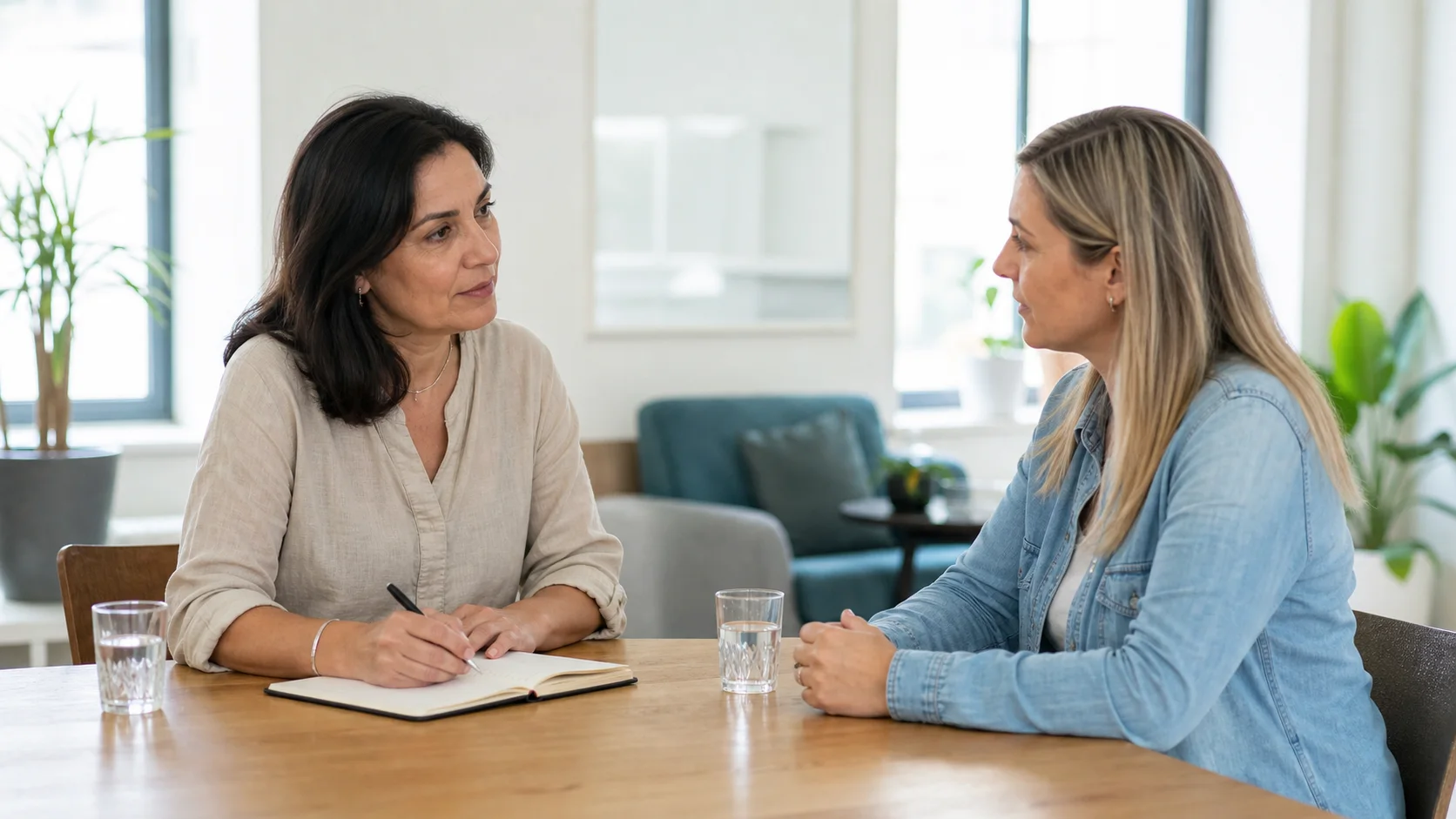
This is the working framework for our future programmes. Each woman’s path depends on her circumstances and the professionals available.
We assess urgency, agree on a safe way to communicate, help plan next steps and, where needed, connect you with the relevant emergency services.
Individual consultations, support groups and programmes addressing anxiety, depression, the effects of violence and traumatic experiences.
We explain rights, help with documents, benefits and applications, prepare questions for professionals and support your first contact with the system.
Food, clothing, transport, essential items, support for children and other practical needs that make it harder to move forward right now.
Breathing practices, movement, yoga, fitness and dance therapy offer gentle ways to reconnect with your body and personal boundaries.
Financial literacy, professional skills, leadership, self-presentation and confident communication to rebuild independence.
Who we help
Safety, psychological support, legal guidance, documents and ongoing assistance.

Benefits, employment, everyday needs, support for children and a caring community.

Consultations, groups and recovery without pressure or shame.
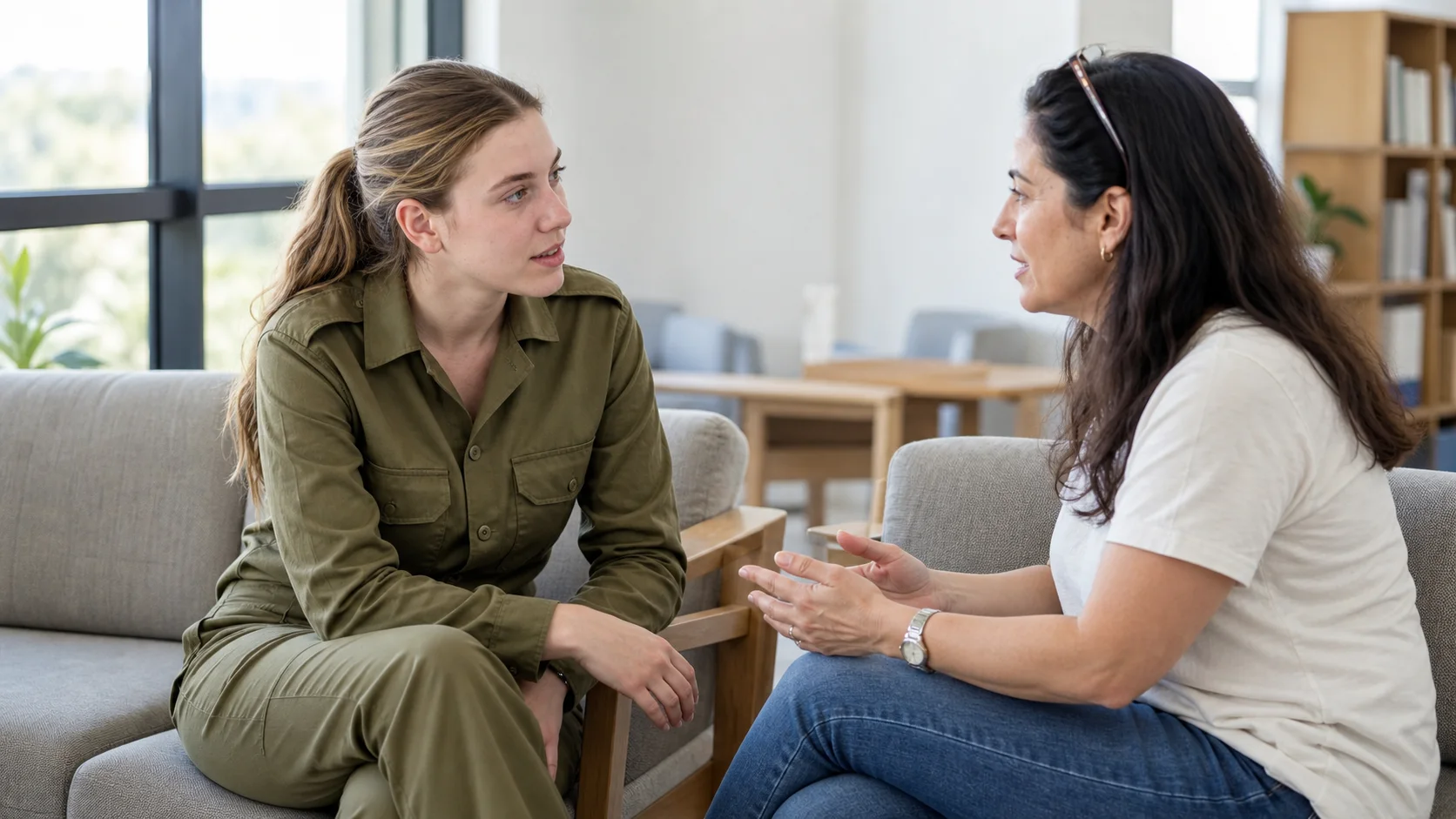
Personal connection and practical support while serving far from family.
The first step
You can start with one sentence. You do not have to give your name. You can choose only a way of communicating that is safe for you now.
Reach out safely